
Heated Tent Rentals: How to Use Your Outdoor Space Through a Wisconsin Fall
Wisconsin fall is genuinely beautiful. Cool air, turning leaves, that particular quality of October afternoon light that makes everything feel a little more vivid. It is also, for a lot of people planning outdoor events, the point where the season starts to feel uncertain.
September is comfortable. October is unpredictable. November can go either way. And most people planning outdoor events in fall spend a meaningful amount of time wondering whether the weather is going to cooperate, or whether they should just move everything inside and not worry about it.
Here is the thing: with the right tent setup, you do not have to choose. A properly configured heated tent with sidewalls is not a compromise version of an outdoor event. It is an outdoor event that stays comfortable regardless of what the temperature does, which in Wisconsin is a significant advantage.
What "Heated Tent" Actually Means
When customers ask about heated tent rentals, they are usually picturing a tent with some kind of portable space heater inside. That is one approach, and it works for light temperature drops, but it is not really what makes a tent event comfortable in genuine fall conditions.
A properly heated tent setup involves a few components working together.
The tent itself provides the primary shelter and defines the event space. For fall events, a tension tent is typically the right choice: the heavier vinyl top and more substantial structure handles Wisconsin fall conditions better than a lighter canopy tent. The tent contains the warm air and gives the heating system something to work with.
Sidewalls are what actually make heating effective. An open tent in October is just a covered outdoor space. Add sidewalls and the tent becomes an enclosed environment you can actually heat. Sidewalls can be clear (which maintains visibility and keeps the space feeling open), solid white, or a combination of both depending on the look and the weather conditions you are planning around.
Propane heaters are the most common heating solution for tented events. A forced air propane heater resides outside the tent with a duct running under the sidewall into the tent interior. A thermostat mounted inside the tent controls the temperature, and the system can be running before guests arrive so the tent is already warm when the first car pulls up. A properly sized heater can keep a tented event comfortable well into fall, even when temperatures outside are significantly lower than you would want your guests sitting in.
The sizing of the heater matters. A heater that is too small for the tent volume will struggle to maintain temperature, particularly if there are gaps in the sidewalls or if the tent is in an exposed location. This is part of the conversation we have with customers when they are planning fall events, because getting the heating setup right from the start is much easier than trying to fix it the day of the event.
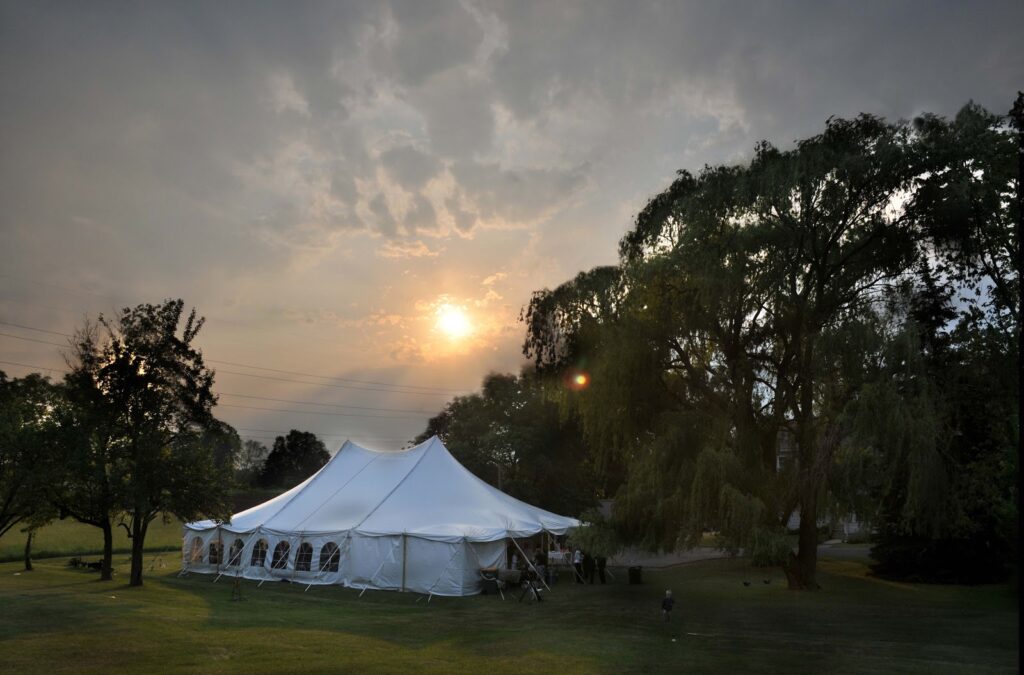
What Fall Events Actually Work Well in a Heated Tent
The short answer is: almost any event that would work in a tent in summer also works in a heated tent in fall. A few that we see regularly.
Corporate events and company picnics. Fall is actually a popular time for corporate gatherings because it avoids the vacation conflicts of summer and the scheduling chaos of December. A heated tent gives companies the outdoor feel, the flexibility of their own space, and a comfortable environment for guests regardless of the October forecast.
Wedding receptions. Fall weddings have become increasingly popular in Wisconsin, and for good reason: the foliage and the cooler air make for a beautiful backdrop. A heated tent extends the viable season for outdoor receptions into October and, depending on conditions, into early November. Couples planning fall weddings should discuss heating and sidewall options early because those decisions affect the layout and the overall tent setup.
Fundraisers and nonprofit events. Fall is a busy fundraising season, and a heated tent gives nonprofits the option to use outdoor space for galas, dinners, and auctions that might otherwise require an expensive venue rental. With the right setup, a tented fundraiser in October can look and feel as polished as any indoor event.
Church and community events. Fall festivals, harvest dinners, and community gatherings happen throughout October and into November. A heated tent keeps these events viable and comfortable even when the temperature drops in the afternoon or evening.
Family celebrations. Anniversary parties, milestone birthdays, and fall family gatherings do not have to be squeezed into the last warm weekends of September. With heating and sidewalls, October is a perfectly comfortable month for an outdoor family event.
The Sidewall Conversation
Sidewalls are often the part of the fall tent setup that customers have not thought through before calling us, and they are worth understanding because they affect both the comfort and the look of the event.
Clear sidewalls maintain visibility. If your event has a beautiful fall setting, a view of the property, or just a layout where you want the inside and outside to feel connected, clear sidewalls let you keep that without sacrificing warmth. They also make the tent feel larger and brighter, which is useful when days are getting shorter and you want the space to feel open.
Solid white sidewalls provide better insulation and a more enclosed, intimate feel. For events where warmth is the primary concern or where the exterior setting is less important, solid sidewalls work well and create a cleaner backdrop inside the tent.
Many fall events use a combination: solid sidewalls on the windward sides of the tent and clear sidewalls on the sides that face the best views or the main guest approach. This is something we work through with customers based on the specific tent location and the event setup.
One practical note: sidewalls affect the ventilation inside the tent, which matters for the heating system. A fully enclosed tent heats efficiently but needs adequate air exchange. We factor this into the heating recommendations we make for specific tent setups.
Planning a Fall Heated Tent Event: What to Think Through
If you are considering a heated tent for a fall event in Southeastern Wisconsin, here are the questions worth thinking through in advance.
Date and temperature range. Wisconsin fall temperatures vary considerably by date. A mid September event might not need heating at all. A mid October event almost certainly benefits from it. A late October or early November event needs a serious heating plan. The earlier in the planning process you discuss this, the more options you have.
Tent type and size. Heating a tent effectively depends on the tent volume and how well it can be enclosed. A tension tent with full sidewalls is much easier to heat than a canopy tent with partial coverage. If heating is a priority for your event, that should influence the tent selection from the start.
Sidewall configuration. As discussed above, this affects both comfort and aesthetics. Worth planning intentionally rather than deciding at the last minute.
Heater sizing. The heater needs to be sized appropriately for the tent volume, the expected temperature range on the event date, and the number of guests. More guests means more body heat, which helps, but an undersized heater in a large tent on a cold October night is a problem you do not want to discover mid event.
Power and fuel. Propane heaters need a fuel supply, and that supply needs to last through the event. We discuss run time and tank sizing as part of the planning conversation so there are no surprises.
Setup timing. A heated tent typically needs the heater running for some period before guests arrive so the interior reaches a comfortable temperature. We factor this into the delivery and setup timeline.
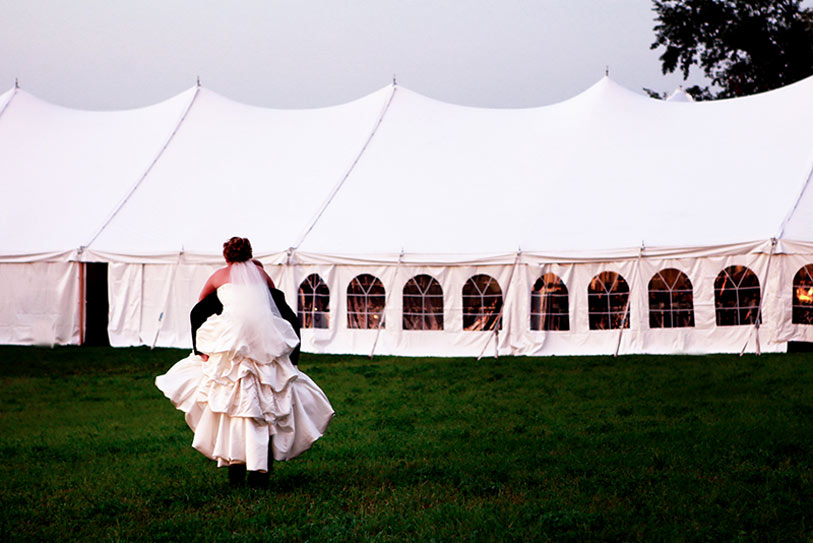
How Far Into Fall Can You Go With a Heated Tent?
This is a question we get regularly, and the honest answer is: it depends on the specific setup, the event, and what you are comfortable planning around.
A well configured tension tent with full sidewalls and appropriately sized heating can keep guests comfortable in temperatures well below what most people would consider outdoor event weather. We have helped customers run fall events in conditions that would have been completely unworkable without a proper heated tent setup.
That said, there are practical considerations that limit the season, particularly for staking and ground conditions. As fall progresses, weather conditions can make certain installations more complex. We assess each event individually and give customers an honest picture of what is feasible and what the risks are for specific dates.
The general answer is: September and October are very manageable with the right setup. Early November is possible with planning. Later than that is a conversation worth having based on the specific event.
Do Not Let the Calendar Tell You the Season Is Over
The outdoor event season in Wisconsin does not have to end when the calendar says fall. With the right tent, the right sidewalls, and the right heating setup, your outdoor space stays usable and comfortable into a time of year when most people have already given up on it.
That is good news for fall weddings, October corporate events, harvest festivals, fall fundraisers, and anyone who wants to use their outdoor space beyond the last warm weekend of summer.
Request a quote from All Star Rentals or call us at (414) 427-9951. We serve communities throughout Southeastern Wisconsin, including Milwaukee, Muskego, Waukesha, Racine, and surrounding areas.
Tell us your event date and your space. We will help you figure out what it takes to make it work.
All Star Rentals is a family-owned event rental company based in Muskego, WI. Fully licensed and insured, with decades of experience serving families, schools, churches, businesses, and community organizations throughout Southeastern Wisconsin.